


15/04/2026
Why Does Perth Feel Colder Than Places With Snow?

We’ve all experienced a chilly Perth winter before, and while we’re constantly told that our winters are “not that cold” or simply “mild” compared to other places around the world, it definitely doesn’t feel like it.
Why is it that my toes are frozen at home in the middle of the day? Or that my Oodie is an essential part of my working from home wardrobe? Or even that my Canadian friends have told me that their Perth winter was the coldest season they’ve ever experienced? Make it make sense!
You might be surprised to hear that the claims about our winters being “mild” are actually true. The problem isn’t the weather, or our climate – it’s actually our infrastructure and habits. Let’s break it down.

How Cold Is Perth, Really?
By the numbers, yes, Perth winters are “mild”. Long‑term Bureau of Meteorology (BoM) data for Perth shows that July (our coldest month) averages around 18.5 degrees Celsius at a maximum and 8.1 degrees Celsius at a minimum, with winter rain peaking between June and August. That’s cool and damp, but not sub‑zero.
Comparing that to a few global heavyweights: Moscow’s winter averages around –9 to –4 degrees Celsius, Beijing’s winter averages about –8 to 2 degrees Celcius, and Toronto’s winter averages about 0 to 7 degrees Celcius.
So why does Perth often feel colder indoors than these places?
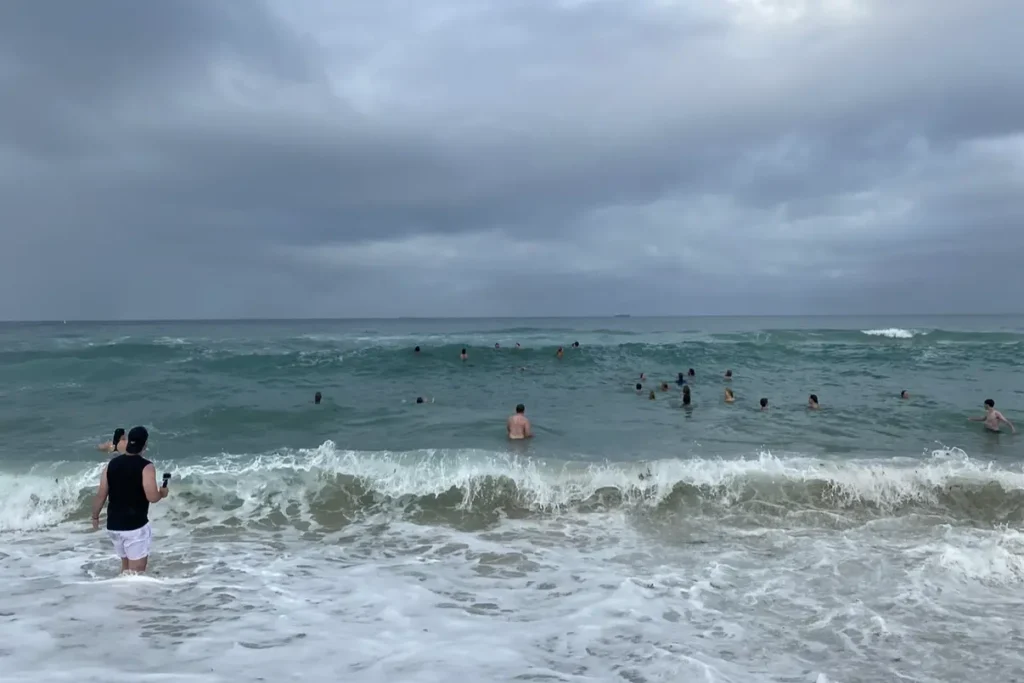
The ‘Perth Temperature Paradox’: Mild Outside, Chilly Inside
Plenty of Australians (and overseas visitors) joke that it can feel colder inside than outside in Perth. That’s not just a meme! Studies and explainers keep finding the same pattern: many Aussie homes (not just Perth) are draughty, lightly insulated, and slow to hold heat. So, a lot of Aussie living rooms sit under the World Health Organisation’s (WHO’s) recommended 18 degrees Celsius for comfort and health, more often than you’d think.
An article by the ABC in 2023 discusses how 85% of West Aussie rental homes averaged below 18 degrees Celcius during winter, despite our relatively mild climate.
ABC News also points to historic Australian standards, ‘air‑leaky’ home construction, and limited heating culture as reasons why so many homes feel cold.
The reason why people from much colder countries find our homes colder than theirs is often because their building and energy codes emphasise high insulation levels and cold‑climate design; federal guidance encourages keeping heat inside. In places like Canada and Russia, it’s practically a national rite of passage.
How WA Homes Are Built (and Why it Matters)
This isn’t a dig at builders (we love you). Perth has a Mediterranean climate with hot, sunny summers and wet, mild winters, and our homes reflect that: great at losing heat in summer, but not always great at keeping it in winter. Instead, it’s issues with our culture around building homes in WA.
Here are the big winter comfort culprits:
- Slab‑on‑ground floors: Common in WA. Concrete has thermal mass, which is great if detailed well, but an uninsulated slab can push heat into the ground on cold nights. Edge or under‑slab insulation isn’t universal in Perth, but it is getting more attention under newer energy standards around the world.
- Gaps and air leakage: Small gaps around doors, windows and skirtings allow cold air in and warm air out. So, you may still feel drafts even when the temperature gauge is showing a reasonably comfortable temperature.
- Single glazing and modest window performance: Window glazing can be a major heat‑loss pathway. Australia’s National Construction Code (our nationwide building rulebook that sets the minimum standards for how homes and buildings) encourages better window performance, but a lot of existing housing stock still has single glazing or older window frames. Which allows for more heat to get out, and more cool air to get in much easier.
- Ceiling and wall insulation variability: Newer homes have to follow updated building rules, which means their ceilings and walls usually have decent, consistent insulation. However, older Perth homes, were built before energy ratings were a thing, so it’s common to find thin insulation, patchy coverage, or gaps. That’s why some houses hold warmth easily, while others lose heat the moment you turn the air con off.
- Perth culture and heating habits: Basically… We’re summer people – Perth winter culture is hoodie, doona, slippers and a tiny box heater from Kmart in “the one warm room,” not whole‑home heating all day. So, it’s essentially just something we’re used to.
What Can I Do to Actually Help My Perth Home Feel Toasty?
Good news: you don’t need to complete an entire home makeover. To save your frosty toes, start with low‑effort wins, then consider bigger upgrades if you’re open to renovating later.
Things like:
- Seal the leaks: Door seals, window draught stoppers, and outlet/architrave caulking can reduce cold airflow instantly.
- Invest in heavy curtains: Thicker window coverings reduce heat loss through glass.
- Smart air conditioner use: Maintain a steady temperature set point on your air conditioner (e.g., 19 to 21 degrees Celsius when home) rather than yo‑yo heating.
Bigger steps for later (reno or new build):
- Ceiling and wall insulation upgrades: Target National Construction Code‑level performance or better if you can.
- Add under‑slab or slab‑edge insulation (or under‑floor for suspended floors): This reduces that “cold floor steals my heat”
- Install better window glazing: Double glazing or high‑performance windows cut heat loss and condensation. Use the National Construction Code for standards.

Where Your Air Conditioning Fits In (and How to Use it Smarter)
Reverse cycle air conditioning is still the MVP of Perth winters, delivering some of the most efficient heating you can get in our mild climate.
Instead of warming the whole house, zoning your ducted air conditioning system lets you focus heat where you actually are. Think living areas during the day and bedrooms at night. A steady 19–21 degrees Celsius set point is usually all you need; cranking your air con it to 26 degrees won’t heat anything faster, it’ll usually just make the system work harder.
It’s also important to keep your filters clean, too. Dusty filters mean weak airflow and cold patches. And if your house gets chilly overnight, a simple timed pre‑heat on cold mornings can take the edge off before you’re even out of bed.
Pair a good reverse‑cycle system with small airflow improvements, like better sealing, insulation and glazing, and you’ll enjoy more comfy temps, lower power bills and a much cosier winter vibe overall.
Are Things Improving in WA?
The good news is yes! The National Construction Code and the WA State Government variations are nudging designs toward better fabric and glazing performance, with a broad push toward higher-quality options and more holistic energy outcomes. But most of Perth’s existing homes predate these rules, so renovations, air con optimisation and small home tweaks are where the big comfort gains hide.
Ford & Doonan’s Two‑Step Winter Game Plan
When you feel like your air con is not performing at its best, it can be annoying at best, and super uncomfortable at worst. When you book airconditioning servicing with Ford & Doonan, we’ll look at airflow, zoning, filter condition, and controller settings, and suggest the fastest wins for your home type.
If you’re renovating or building, we’ll work with your builder on determining the correct-sized reverse cycle air conditioning option, zoning design, and controller options to best suit your home your lifestyle. If you’re renovating, we’ll map out realistic steps that you can take so the aircon can do its best work.

It’s Not All Cold Forever
In Perth, we love our doonas, hoodies, and Ugg boots, and that’s part of the fun of being a West Aussie. But if you’re shivering through July at home with a beanie on and a hot choccy on standby, it’s not character‑building; it’s an airflow and insulation issue you can actually fix.
Book a winter comfort check with Ford & Doonan and warm up your place the smart way, not the expensive way. (Bonus points if you show up to the showroom in Uggs).
 1800 AIR CON
